Health Risks of Hoarding: When a Home Becomes Unsafe
A cluttered home is not automatically a contaminated home. The concern changes when blocked exits, unstable piles, spoiled food, pests, waste, mold, needles or unusable rooms begin affecting basic safety and sanitation.
You do not need to diagnose the person or determine the cleanup level before asking for help. Send private photographs or a video, and our team will help identify the visible conditions, cleanup priorities and next practical step.
Private photo review • Typically answered within 60 minutes • Calls answered 24/7 • Service in 48 contiguous states
The Risk Is Usually the Condition the Clutter Creates
Hoarding-related health hazards are not measured only by how full a property looks.
A moderately cluttered home may still have clear exits, working plumbing and sanitary food-storage areas. A more serious environment may conceal animal waste, rodent activity, mold, spoiled food, needles, unstable stacks or damaged utilities.
The practical assessment is whether the home can still support safe movement, sanitation, cooking, sleeping, bathing and emergency access. When it cannot, the property may require more than ordinary organizing or junk removal.
Eight Health and Safety Risks Associated With Severe Hoarding
Not every home contains every hazard. The combination, severity and location of the conditions determine the appropriate response.
Fire and Blocked Escape Routes
Combustible belongings near cooking or heating equipment may add fuel to a fire. Blocked doors, windows and pathways can delay escape and make it harder for firefighters to reach occupants. The U.S. Fire Administration recommends keeping exits clear and keeping burnable items at least three feet from cooking and heating equipment.
Falls, Cuts and Restricted Access
Narrow pathways, loose materials, unstable stacks and hidden objects may contribute to trips, falls, cuts or punctures. Crowding may also prevent a walker, wheelchair, emergency responder or caregiver from moving through the home.
Spoiled Food and Unsanitary Kitchens
Expired food, leaking containers, nonworking refrigerators and food-preparation areas covered by belongings can create sanitation concerns and attract pests. Cleanup may require discarding food, removing contaminated appliances and cleaning approved surfaces.
Rodents, Insects and Animal Contamination
Clutter can conceal droppings, urine, nests, carcasses, fleas, roaches and damaged food. The CDC advises against dry sweeping or ordinary vacuuming of rodent urine, droppings or nesting materials because disturbing them can place contaminated particles into the air.
Human Waste, Animal Waste and Bodily Fluids
Bathrooms that cannot be used, animal accumulation and untreated human or animal waste may expose occupants and helpers to contaminated surfaces. These conditions require an appropriate removal, cleaning, disinfection and waste-handling plan.
Mold, Moisture and Damaged Materials
Leaks, wet contents and poor access to plumbing can allow mold to grow on drywall, carpet, paper, wood and other materials. The EPA notes that mold can produce allergens and irritants and that moisture control is central to preventing its return.
Needles, Broken Glass and Household Chemicals
Sharps and chemical containers may be hidden beneath papers, clothing or trash. Reaching blindly into piles or compressing bags can create puncture, cut or exposure risks. Unknown chemicals and containers should not be opened, mixed or disturbed.
Unusable Plumbing, Appliances and Utilities
Blocked sinks, toilets, vents, electrical panels, furnaces or water heaters may prevent maintenance and conceal leaks or damage. Cleanup often begins by creating access to the systems needed to make the property functional.
Do Not Enter or Disturb the Area If It Appears Immediately Dangerous
- There is an active fire, smoke, a gas odor or sparking electrical equipment.
- A person is injured, seriously ill, unable to exit or in immediate danger.
- The floor, ceiling, stairs or large stacks appear unstable.
- Unknown chemicals, drug-production materials or explosive items may be present.
- There is extensive sewage, widespread biological contamination or another condition you cannot enter safely.
For an immediate threat to life or property, leave the area and call 911. Follow instructions from emergency services, the utility company, public health or other appropriate authorities before arranging cleanup.
Some Occupants May Need Additional Protection
The same property may present different levels of concern depending on who lives there, how they move through the home and whether they have existing health conditions.
This information is general and is not a substitute for individualized medical advice.
Real Properties, Different Health and Safety Concerns
These two projects show why the scope must be based on the actual conditions. One required removal of a contaminated refrigerator and spoiled contents. The other required bathroom waste removal, cleaning, disinfection and sanitizing.
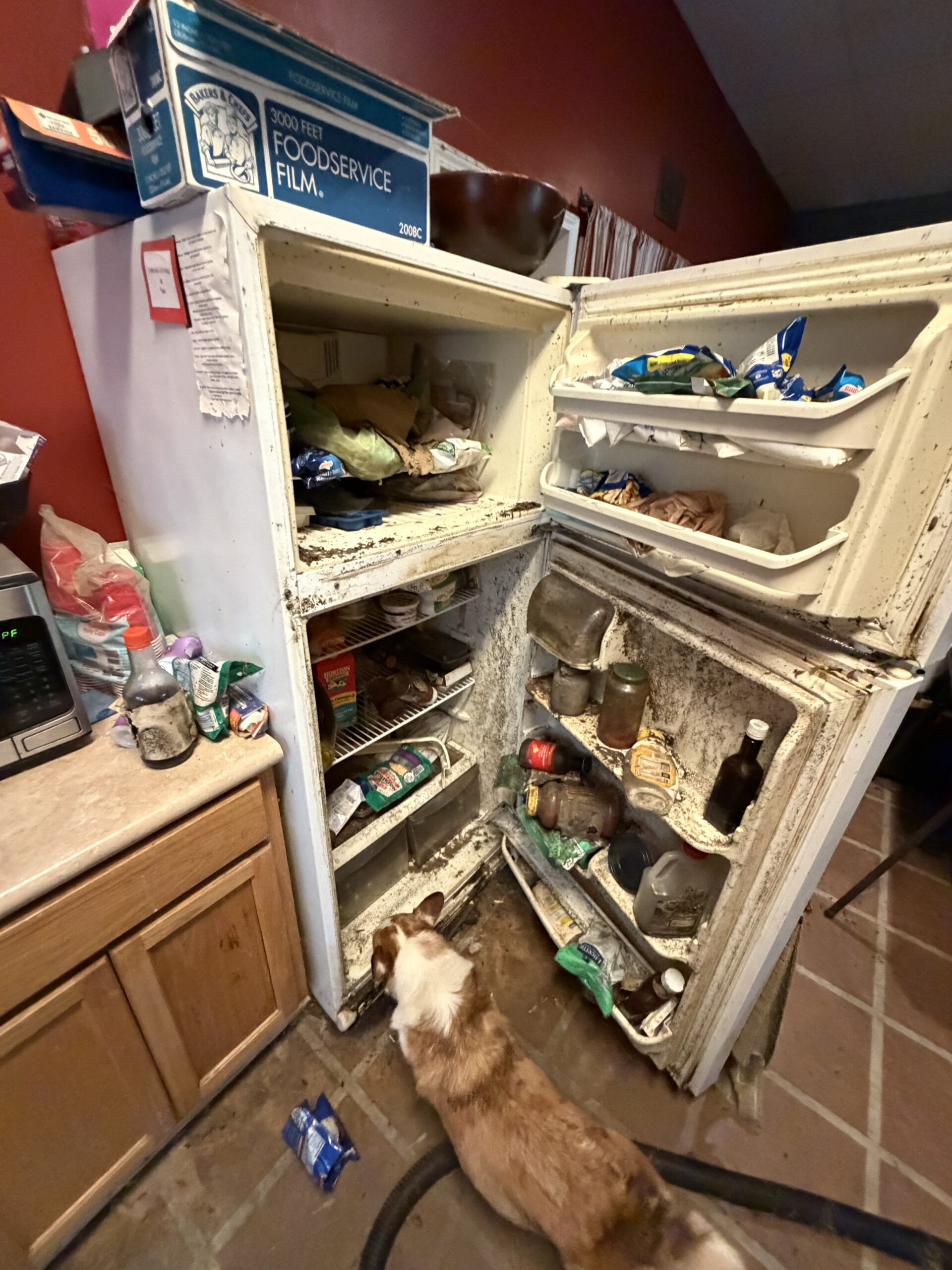
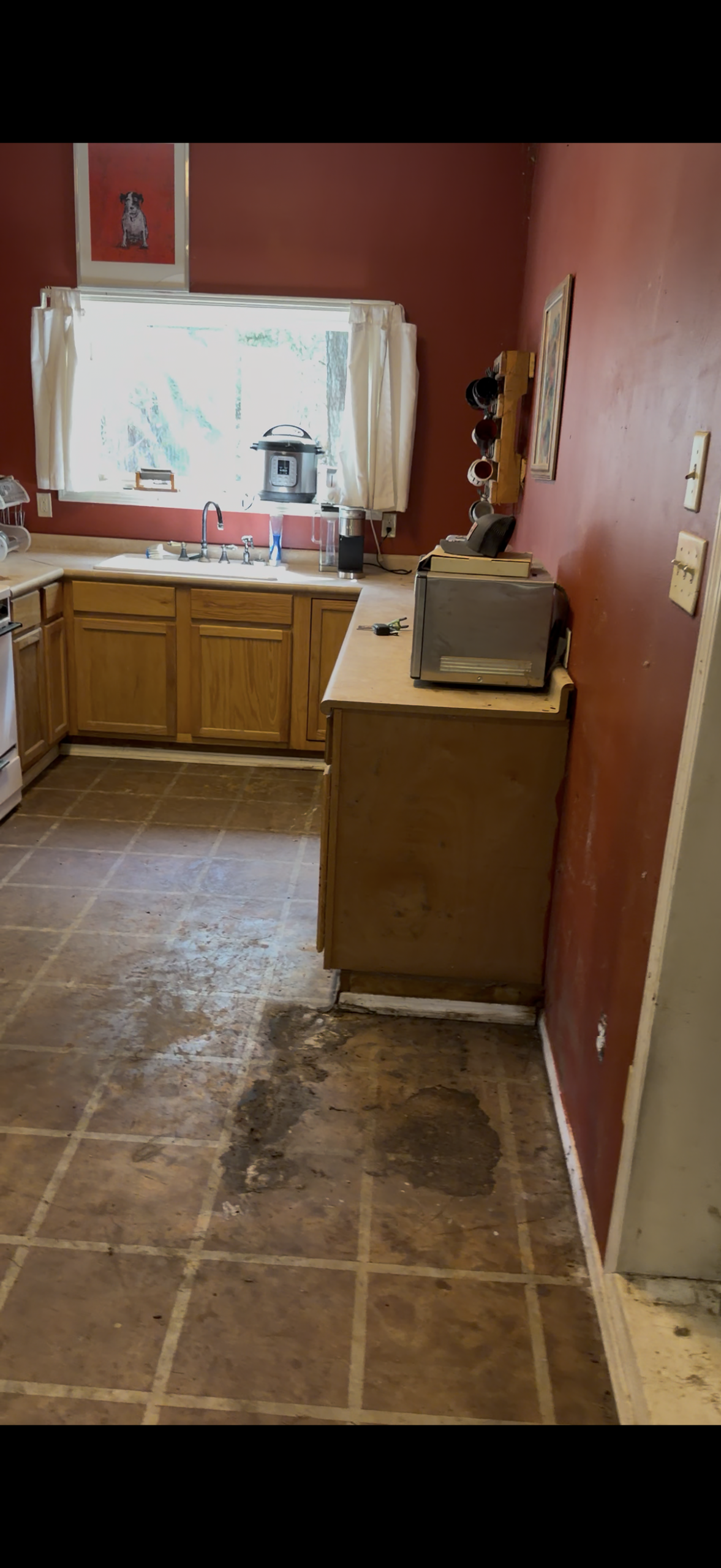
Contaminated Refrigerator Removal
The team removed the refrigerator, spoiled food, contaminated contents, trash and associated odor sources from the approved area. The surrounding work area was cleared so the property could move into its next cleanup phase.
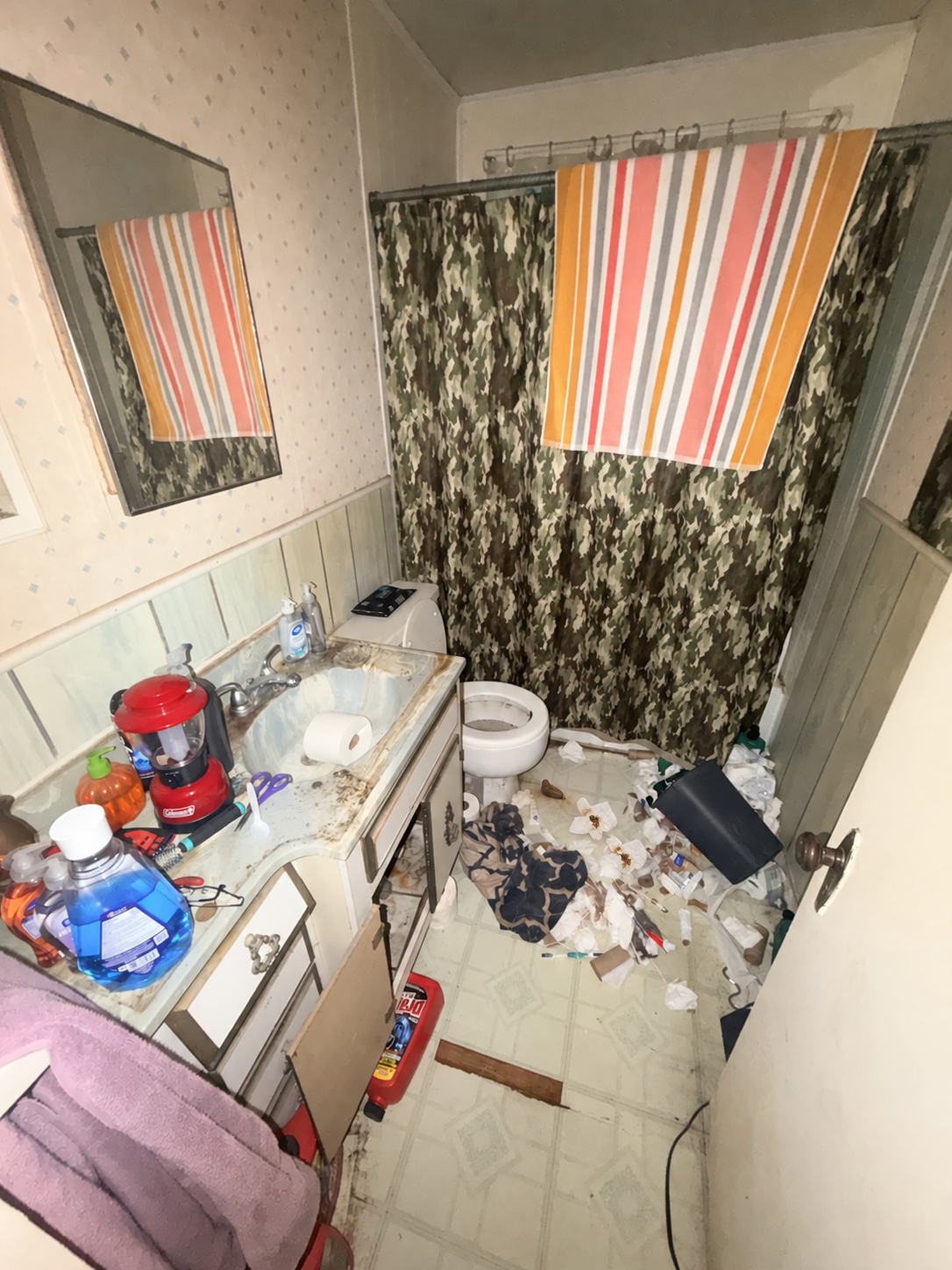
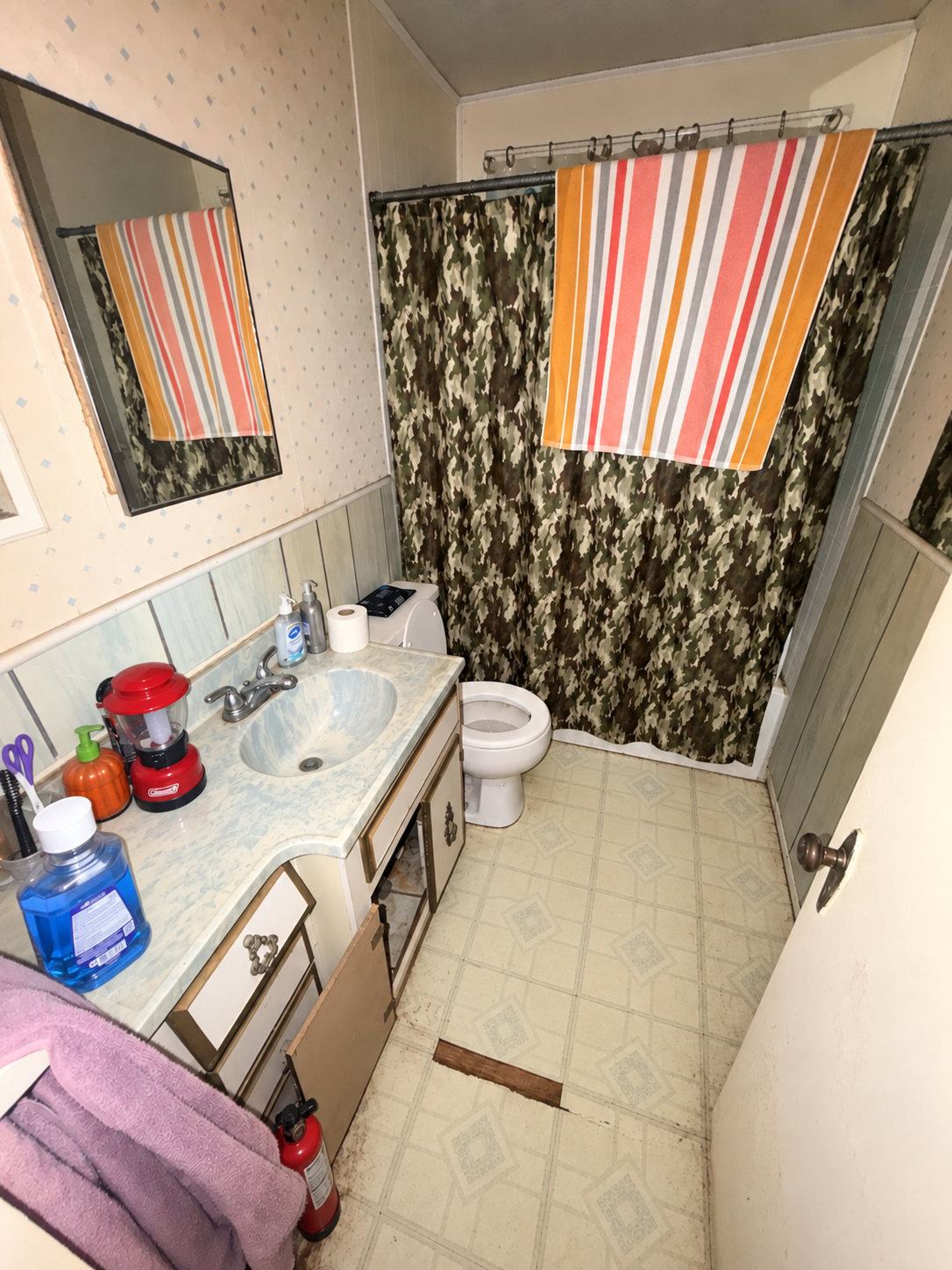
Bathroom Cleaning and Disinfection
Waste, trash and affected materials were removed. The team cleaned, disinfected and sanitized approved bathroom surfaces, treated odors and preserved the original surfaces where replacement was not included.
Actual properties completed by our team. Results depend on existing conditions, materials and the approved scope of work.
“I had no idea my brother’s home had gotten this bad. I was embarrassed and overwhelmed, and honestly didn’t know who to call. From the first conversation, they made me feel comfortable asking for help. Nobody judged my brother or made us feel worse about the situation.Susan M. • Family member • Maysville, Oklahoma
They removed the refrigerator, spoiled food, contaminated belongings and trash, cleared the walkways, and cleaned and disinfected the bathroom and affected surfaces. They also addressed the waste, treated the odors and handled the mold remediation. It was a difficult situation for our family, and I’m so grateful for the kindness and respect they showed us.”
How a Health-Risk Cleanup Is Planned
The plan is based on hazards, priorities and the family’s goals, not simply on removing everything as quickly as possible.
Private Assessment
Text photographs or a video with the ZIP code, rooms affected, known hazards, occupants and any inspection or access deadline.
Safety Priorities
We identify access needs, contamination, unstable materials, utilities and work that requires another licensed professional.
Save and Remove Plan
The written scope separates items to protect from approved waste, contaminated materials and contents that cannot reasonably be cleaned.
Cleanup and Remediation
Employee teams clear pathways, remove approved materials, clean and disinfect surfaces, address odors and perform the included remediation.
Function and Next Steps
We review the completed scope and coordinate pest control, mold specialists, repairs or other restoration work when the property requires it.
What Hoarding Cleaner Can Address
Our employee teams handle the contents, sanitation and property conditions that commonly overlap in severe cleanup projects.
- Human and animal urine or feces
- Rodent droppings, urine and nesting materials
- Spoiled food, decomposing waste and contaminated appliances
- Insects, fleas, roaches and pest-related debris
- Needles, sharps, blood and bodily fluids
- Mold and moisture-damaged materials
- Sewage-contaminated contents and surfaces
- Dead animals and persistent odor sources
- Blocked exits, unsafe pathways and inaccessible rooms
Sources Used for This Health-Risk Guide
The health and safety statements on this page are intentionally conservative and are based on current public guidance. A property cleanup company cannot determine the medical cause of symptoms.
Blocked exits, crowded heating or cooking equipment and firefighter access.
U.S. Fire AdministrationPrecautions for droppings, urine, nesting materials and dead rodents.
Centers for Disease Control and PreventionHealth considerations, material cleanup and controlling moisture sources.
U.S. Environmental Protection AgencyGuidance concerning sewage, damaged materials and cleaning affected surfaces.
Centers for Disease Control and PreventionSafety information reviewed October 2026. Consult the relevant authority, local health department or healthcare professional for advice about a specific exposure.
Health Risks of Hoarding FAQs
Can living in a hoarded home make someone sick?
When does clutter become a health or safety risk?
Should I start cleaning before asking for an estimate?
Will everything be thrown away?
Can you handle mold as part of a hoarding cleanup?
Can you clean human waste, animal waste or bodily fluids?
Can a family member coordinate the cleanup from another state?
Do you serve hoarded properties nationwide?
Show Us the Property and Receive a Free Private Cleanup Estimate
Text wide photographs of each affected room, closer photographs of visible hazards and the property ZIP code. Tell us who occupies the home, whether utilities work and whether there is an inspection, sale or access deadline.
Calls answered 24/7 • help@hoardingcleaner.com • Bonded and insured • Employee teams in 48 contiguous states